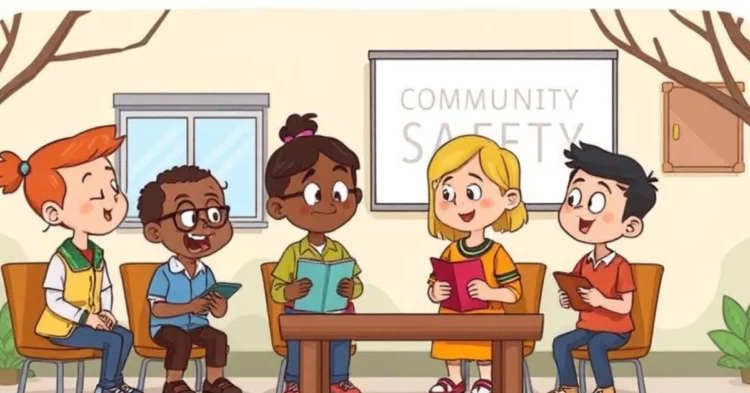
Safety is a cornerstone of thriving communities. Well-informed residents are better equipped to prevent accidents, respond to emergencies, and foster a secure environment for themselves and their neighbors. Community safety education empowers individuals with knowledge, skills, and strategies to reduce risks and promote collective well-being.
This article explores the essential aspects of community safety education, offering practical tips, key initiatives, and actionable insights every resident should know to contribute to a safer neighborhood.
Effective Strategies to Reduce Social Isolation in Local Neighborhoods
Understanding the Importance of Community Safety Education
Community safety education goes beyond crime prevention. It equips residents with tools to handle emergencies, maintain personal safety, and support vulnerable community members. Benefits include:
- Accident and Injury Prevention: Reducing risks at home, on roads, and in public spaces.
- Enhanced Emergency Preparedness: Equipping residents to respond effectively during natural disasters, fires, or medical emergencies.
- Crime Awareness and Prevention: Educating individuals on safety measures, reporting, and neighborhood vigilance.
- Strengthened Community Bonds: Residents working together foster trust, cooperation, and a collective sense of security.
Communities that prioritize safety education enjoy greater resilience, reduced incidents, and increased confidence among residents.
Key Components of Community Safety Education
Effective safety education programs cover a broad spectrum of topics relevant to daily life and community living.
1. Personal Safety
- Situational Awareness: Encouraging residents to stay alert in public spaces and recognize potential threats.
- Self-Defense Basics: Offering workshops or classes on basic defensive techniques.
- Digital Safety: Educating on cybersecurity, privacy protection, and online scams.
- Emergency Contacts: Ensuring everyone knows how to reach local authorities, health services, or emergency responders.
2. Home Safety
- Fire Prevention: Teaching proper use of smoke alarms, fire extinguishers, and evacuation plans.
- Safe Storage: Promoting secure storage of chemicals, medicines, and sharp objects.
- Child and Senior Safety: Implementing childproofing measures and fall-prevention strategies for elderly residents.
- Neighborhood Watch: Encouraging residents to report suspicious activities and maintain vigilance.
3. Road and Traffic Safety
- Pedestrian Awareness: Promoting safe crossing practices and adherence to traffic rules.
- Cyclist and Driver Education: Encouraging responsible driving and bicycle safety measures.
- School Zones: Educating families about speed limits, crossing guards, and safe routes.
4. Emergency Preparedness
- Disaster Planning: Preparing for floods, storms, earthquakes, or other natural events.
- Evacuation Drills: Practicing evacuation procedures for homes, schools, and workplaces.
- First Aid and CPR Training: Providing residents with essential lifesaving skills.
- Community Alerts: Using local networks or apps to share emergency updates quickly.
Implementing Safety Education in Communities
Communities can adopt a variety of methods to ensure residents are informed and prepared:
Workshops and Training Sessions
- Hosted by local authorities, fire departments, or nonprofit organizations.
- Cover practical skills such as first aid, fire safety, and personal defense.
Awareness Campaigns
- Distribution of pamphlets, newsletters, and posters with safety tips.
- Social media campaigns sharing information on emergencies, crime prevention, and seasonal risks.
Community Engagement Programs
- Neighborhood watch groups, volunteer patrols, and local safety committees.
- Encouraging participation fosters accountability and a sense of collective responsibility.
School and Youth Programs
- Safety education integrated into curricula for children and teenagers.
- Programs include pedestrian safety, anti-bullying initiatives, and disaster preparedness.
Benefits of Proactive Community Safety Education
Investing in safety education yields multiple positive outcomes:
- Reduced Accidents and Crime: Knowledgeable residents are better equipped to avoid hazards and suspicious situations.
- Improved Emergency Response: Trained individuals can assist themselves and others during critical events.
- Enhanced Community Trust: Shared safety practices strengthen relationships among neighbors.
- Increased Resident Confidence: Knowing how to protect oneself fosters a sense of empowerment and security.
These benefits contribute to a more resilient, cooperative, and thriving neighborhood.
Tips for Residents to Stay Engaged and Informed
Residents can take proactive steps to maintain safety awareness:
- Attend local workshops, safety fairs, or training sessions.
- Join neighborhood watch programs or volunteer for community patrols.
- Stay informed through local news, municipal alerts, or social media groups.
- Discuss safety plans with family members and establish household emergency protocols.
- Report hazards, suspicious activity, or unsafe conditions promptly to local authorities.
Active participation ensures that safety is a shared responsibility rather than an individual burden.
Community safety education empowers residents to take control of their environment, protect themselves, and support others. By fostering awareness, providing practical training, and encouraging active participation, neighborhoods can reduce risks, prevent emergencies, and enhance overall quality of life.
A well-informed community is a strong community—one where residents work together to maintain safety, resilience, and trust. Through continuous education and collaboration, every neighborhood can become a safer, more connected place to live.